

- Pagina d'entschatta
- Erox Giggle
- Sustegn Uss
- Giggle Classroom
- Davart nus

- Pagina d'entschatta
- Erox Giggle
- Sustegn Uss
- Giggle Classroom
- Davart nus

 Tut las veglias
 Tut las linguas
 Tut ils temas
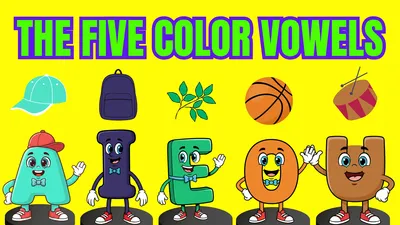 The Five Color Vowels
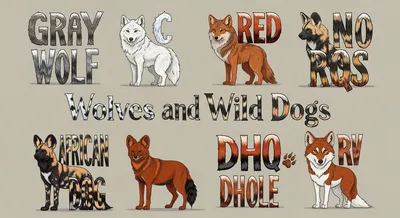 Wolves and Wild Dogs
 Fire: The Living Light of Our World
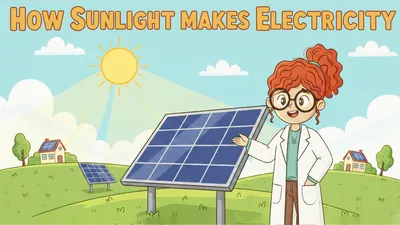 How Sunlight Makes Electricity
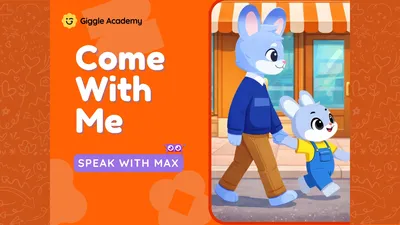 Come With Me
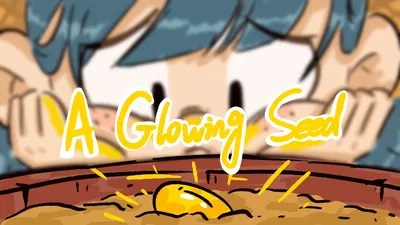 A Glowing Seed
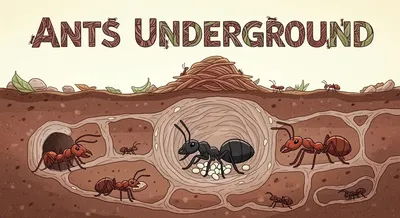 Ants Underground
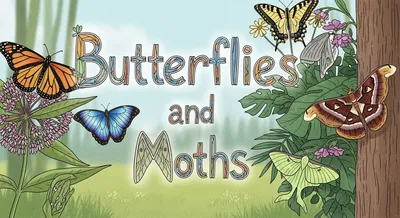 Butterflies and Moths
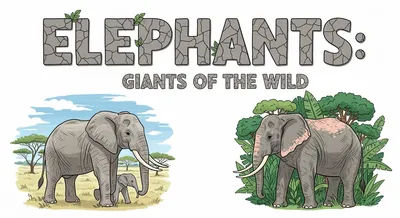 Elephants: Giants of the Wild
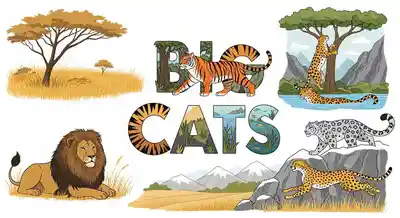 Big Cats
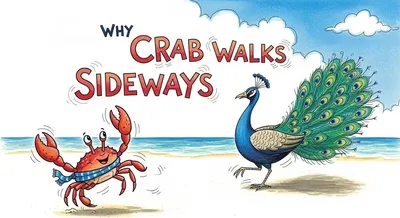 Why Crab Walks Sideways
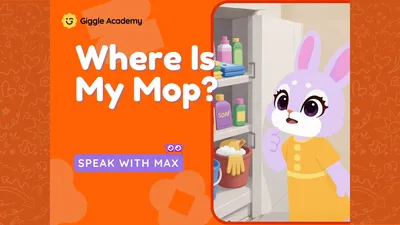 Where Is My Mop?
 I Have Finished
 Chasing the Dancing Shadow
A vibrant and playful rhyming story that introduces young readers to the five vowels (A, E, I, O, U) through colorful characters and engaging actions. Each vowel is associated with a distinct color and a simple, repetitive sound, making it a perfect tool for early literacy and phonics learning.
This educational story explores different species of wolves and wild dogs, describing their habitats, hunting behaviors, social structures, and the importance of conservation efforts. Written in clear, simple language, it is ideal for young readers interested in wildlife and nature.
Fire: The Living Light of Our World is a nonfiction picture book that explores fire — from the first sparks in prehistoric times to forests, volcanoes, the Sun, and modern human life. Children can discover how fire brings warmth, energy, color, and renewal to our world, while also learning to respect its power.
“How Sunlight Makes Electricity” is a fun science Nonfiction book for young readers. Join Shey as she explains how Sunlight turns into Electricity we use every day. With simple words and bright illustrations, Kids learn how the Sun and Solar Panels work together to power our homes.
A very simple, repetitive story using common phrases to encourage interaction. Ideal for very young children learning basic commands and following along.
Cuz's Journey of Growth
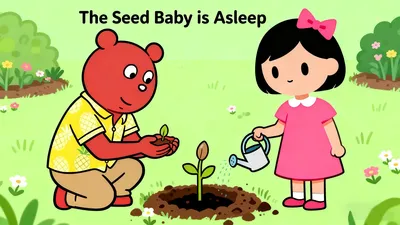
A little girl found a glowing seed, so she took it home, planted it, and took good care of it. But the seed still hadn’t sprouted. When she noticed all the plants outside her window were thriving, she finally realized what the seed needed. 小女孩发现了一颗会发光的种子,于是她把种子带回家种下并细心照顾,但是种子却迟迟不发芽。小女孩发现窗外的植物都生长得茂盛,终于明白了种子需要什么。
An informative and realistic exploration of ants and their colonies, explaining their roles, behaviors, and importance in nature. The story uses straightforward language and scientific facts to engage young readers interested in insects and biology.
An informative and realistic exploration of butterflies and moths, highlighting their physical features, behaviors, habitats, and ecological importance. The story is written in clear, simple language suitable for young readers interested in nature and science.
A clear and informative nonfiction story introducing young readers to the three species of elephants, their physical characteristics, behaviors, habitats, and the importance of conservation efforts. Written in simple, factual language suitable for early elementary children.
An informative and engaging introduction to the largest members of the cat family, highlighting their habitats, behaviors, and conservation status. Written in clear, simple language suitable for young readers interested in wildlife and nature.
A charming and playful story about a crab who desires to dance like the other animals. Through trial and error, Crab discovers his own unique dance—the sideways crab walk—celebrating individuality and creativity. The story uses simple language and fun onomatopoeia, perfect for young children.
A very short and simple story about searching for a mop, perfect for young children learning to identify objects and engage in repetitive dialogue.
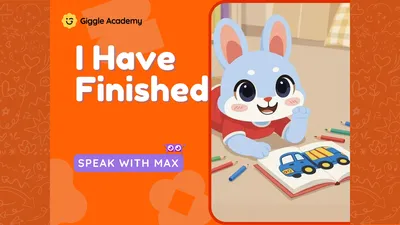
A very short, repetitive story about someone who hasn't finished, and others offering help. Readers learn the common phrase "I have finished."
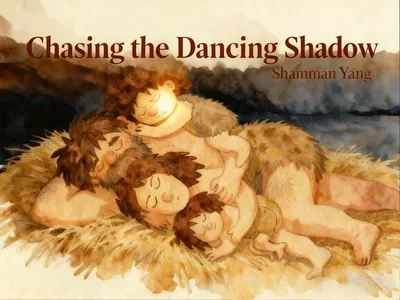
Caveman boy Rocky was frightened by a strange shadow he saw at night. Summoning his courage to seek the truth, he finally followed the light. This is a story about overcoming fear. What did Rocky discover at the end of the light?